



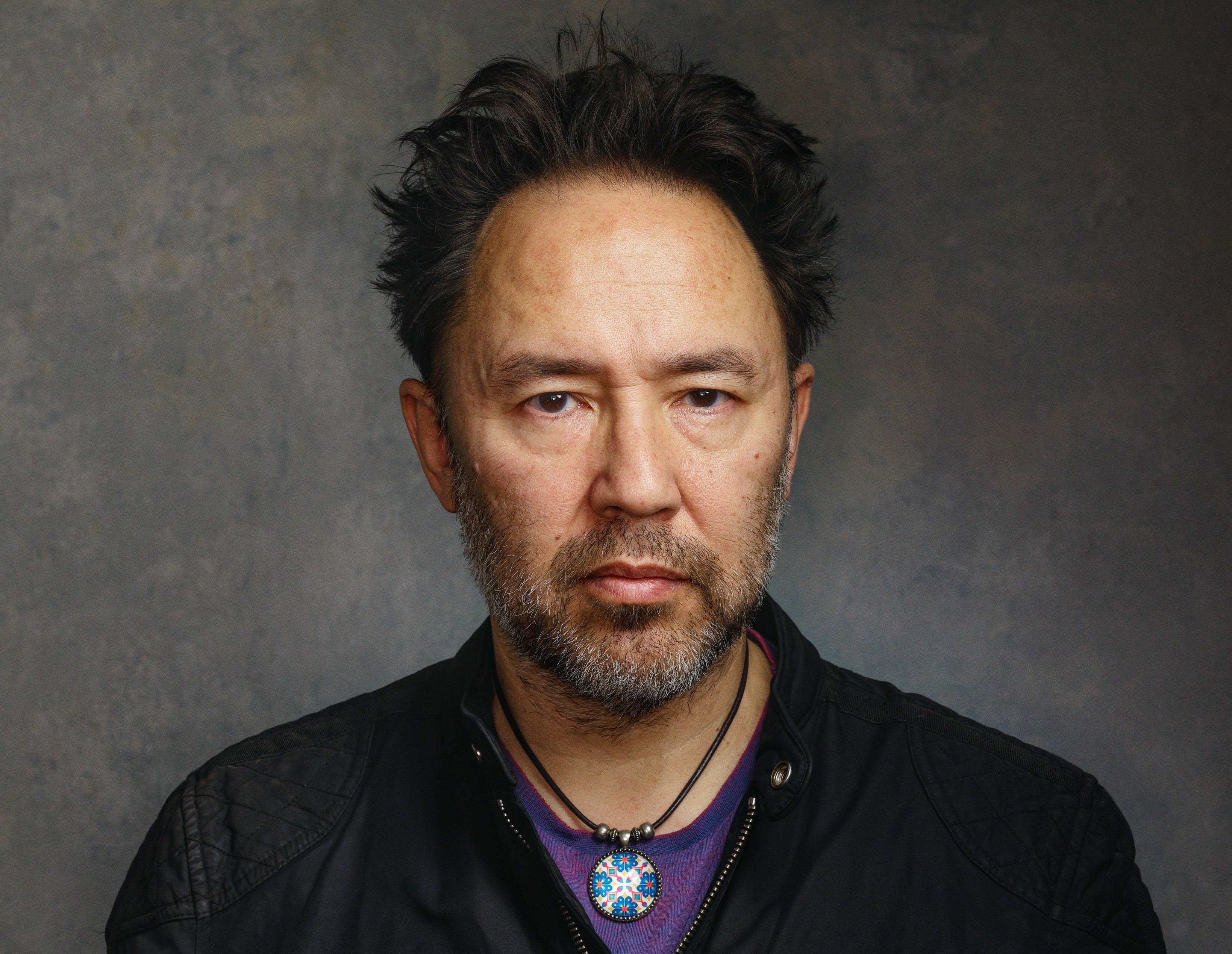
“Theatre in Singapore feels uniquely exciting at times, because it’s a relatively young art form and young people go a lot,” says Daniel York Loh, a 60-year-old actor of Singaporean and British heritage.
“Obviously there’s certain stuff the government won’t let you do,” he acknowledges, before adding forlornly, “but then, it’s kind of getting like that here [in the UK].”
Dan is not one to hold back when expressing his grief, anger and frustration over what’s going on in the arts, as well as the wider social and political climate, of his home country.
Not so long ago, it might have seemed alarmist to make comparisons between Singapore and the UK — the former known for state overreach and censorship, the latter touting free expression and speech as cornerstones of its democracy. But as 2026 draws to a close, certain similarities are becoming increasingly apparent.
“In terms of subject matter, I have to say what really tanked us was the Israel-Palestine situation,” says Dan, referring to the October 7 terror attacks carried out by Hamas in 2023 and Israel’s subsequent bombing and invasion of the Gaza Strip, which has been established by numerous organisations and experts to be a genocide.
“A couple of years ago, the Arts Council [England] issued this directive,” Dan continues. “It literally was the most sinister language. They issued these reputational harm guidelines: if anyone connected with your organisation is engaged in activity which is overtly political or activist, even if they’re not on your payroll, this could affect your funding.”
Dan was among the members of Equity, the UK’s performing arts trade union, who submitted a freedom of information request to find out what prompted the directive. “It’s heavily redacted, so I don’t have any juicy quotes, unfortunately,” he says. “But the one thing they could not redact is, yes, those guidelines came about as a result of a meeting with the Ministry of Culture, and the words that triggered it were ‘Israel’ and ‘Gaza’.”
This is just one of a growing number of instances where the UK authorities have attempted to clamp down on public outcry against the genocide in Gaza. A police crackdown on protests outside the US embassy in London last weekend led to around 320 arrests, adding to the more than 3,700 arrests British authorities have made since mid-2025 over alleged support for Palestine Action, a direct-action group designated a terrorist organisation by the British government.
Travel bans have also been imposed against outspoken critics of Israel: American left-wing political commentators Hasan Piker and Cenk Uygur were banned from entering the UK earlier this year, and more recently Swedish climate academic Andreas Malm claimed to have been barred from entry over comments he made about the October 7 attacks. Meanwhile, Irish author Sally Rooney announced that her books will no longer be sold in the UK following her pledge to donate proceeds from their sales to Palestine Action, which she says “could now constitute a serious criminal offence”.
These recent developments had yet to unfold when I spoke to Dan over the phone in June. Even then, however, he was already voicing alarm about the direction he thought things were heading.
“We’re in a situation where we’re actively being shut down,” he says. “And I don’t think the theatre really fights back against that.”
‘Real’ activism
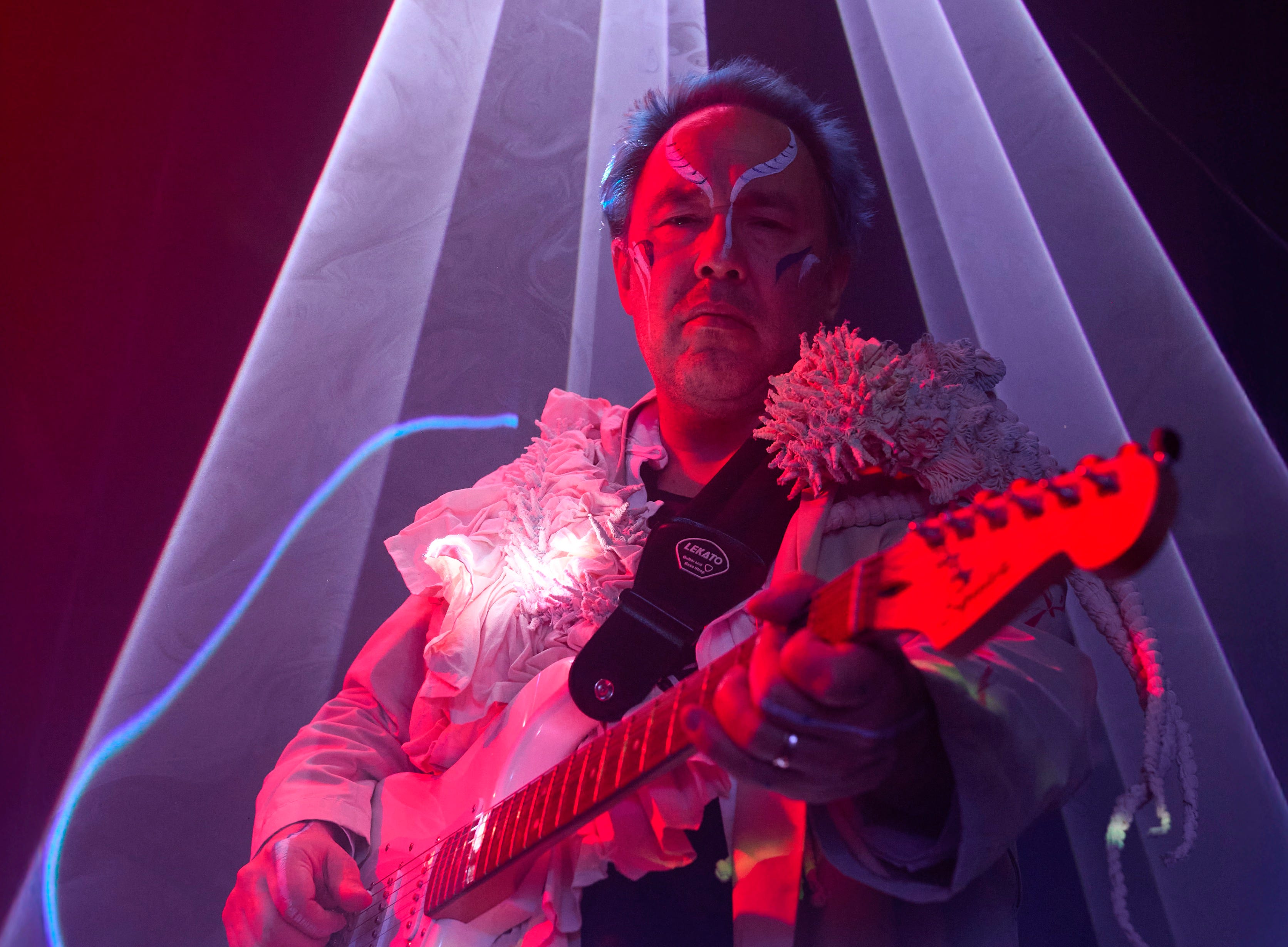
Dan has been working in the performing arts for over 40 years, as a “writer, actor, filmmaker, musician, and I suppose people would say ‘activist’, but I’m a bit wary about that word.” He has also been heavily involved with Equity as part of the union’s race equality committee, working to promote the representation of East and Southeast Asian actors in the UK.
Dan’s relationship with the performing arts industry has changed over the years; what began as “the thing to do” has become increasingly complicated, in part because of racial bracketing and typecasting.
“This is the awful treacherous part about it: it felt like something where I had a lot of freedom, but then you get into it as an industry and you find there’s very little freedom,” he says. “It’s something that should be, I think, liberating, and accessible, and rewarding. And it’s just… you’re down to your racial cypher a lot of the time, and that’s very frustrating.”
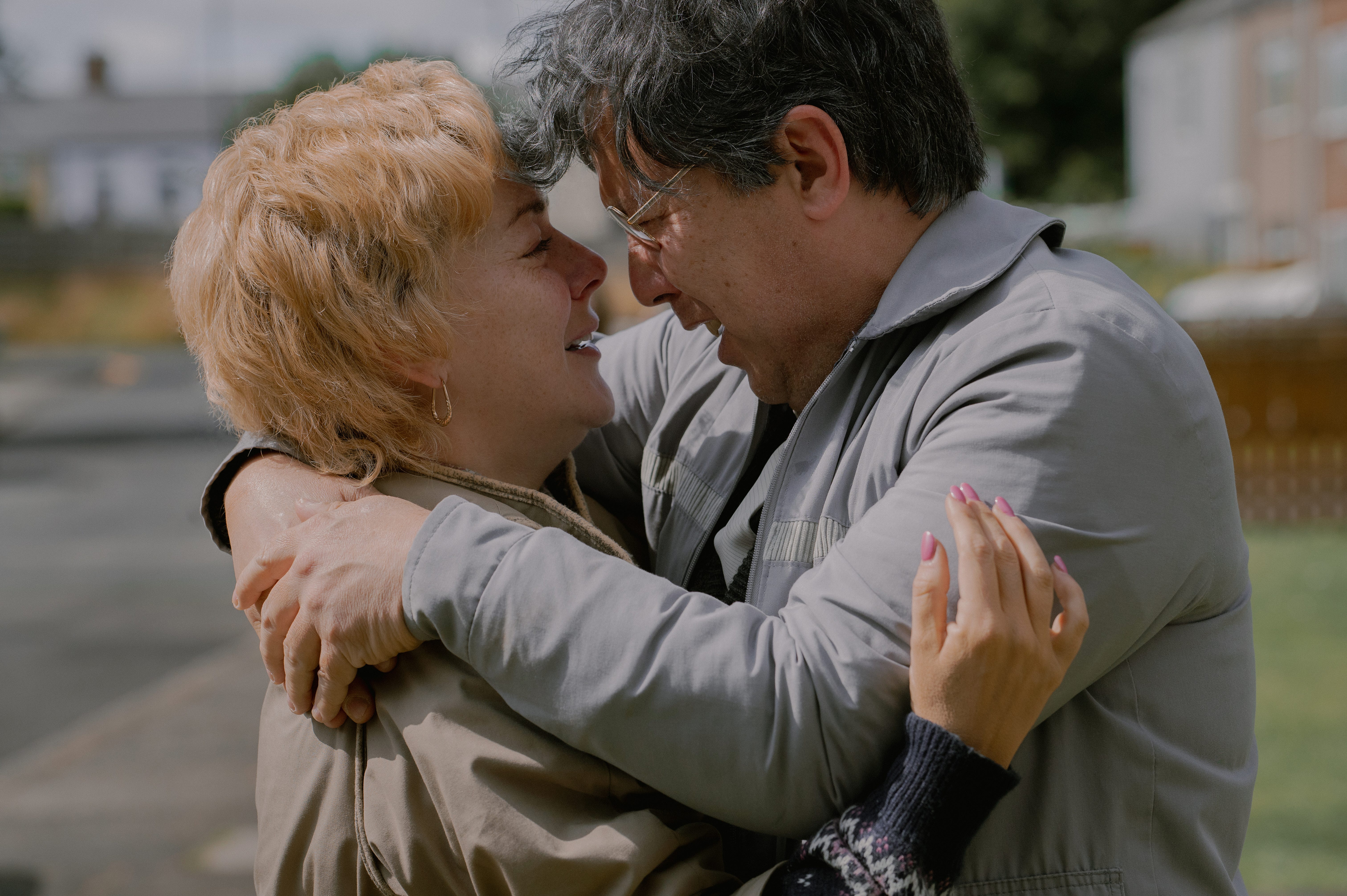
Last year, he played Charlie Ming in I Fought the Law, a four-part ITV series chronicling the real-life journey of Ann Ming (played by Sheridan Smith) and her successful campaign to change the 800-year-old double jeopardy law in England and Wales (where someone cannot be tried for the same offence twice) after the murder of her daughter, Julie. An inspiring underdog story, the series also touches on racial issues in the UK, including depictions of the racial abuse the Mings experienced as a mixed-race couple living in north-east England in the 1970s and 80s — something that, however uncomfortable it might be, Dan feels is important to highlight.
“I want that stuff in there,” he says. “I think it’s important as a social history, and it resonates with what’s going on now. There’s always people who want to blame migrants for anything and everything, want to stigmatise migrants, if you put one foot out of line […] your whole community suffers.”
The UK is seeing a rise in support for nationalist, populist movements on the right and far right, largely centred around xenophobic and/or racist sentiment. Nigel Farage’s Reform UK, probably the most well-known of the country’s Eurosceptic and anti-immigration political organisations, has largely been at the forefront of this movement, while other groups and individuals with more extreme ideologies have also begun to gain ground. This includes far-right, anti-Islam activist Tommy Robinson (who has received significant financial and idealogical support from Elon Musk), and Restore Britain, a party which has been described as promoting ethno-nationalism.
Successive post-Brexit governments — whether led by the Conservative Party or the ostensibly left-leaning Labour Party — have done little to address the currents of xenophobia and racism that have been gaining momentum. Instead, they’ve often ended up pandering to right-wing sentiment.
This, Dan believes, is compounded by a local arts scene that has been reticent to speak out about the hateful and polarising rhetoric that’s becoming more normalised in the UK’s political mainstream.
“The industry, generally, is kind of sleepwalking. I feel like the whole country is moving into fascism, and the entire theatre industry is kind of going ‘oh, oh well, let’s pretend that’s not happening!’ And as an art form, we lose all credibility, because we’re not engaged in the world. I grew up in a world where writers were people who wrote about things happening […] and now we’re being told, ‘this is too political’,” says Dan.
“To me, activism is, I’m afraid, standing in front of Tommy Robinson and saying ‘no pasarán’, and facing the fact they might actually hit you — that, to me, is activism.”
Acting up
Dan’s willingness to stand up to public figures espousing right-wing talking points is far from empty rhetoric.
In 2020, he was embroiled in a public spat with fellow actor Laurence Fox after the latter’s appearance on an episode of the BBC panel show Question Time, during which Fox clashed with an audience member. Fox claimed that (Prince Harry’s mixed-race wife) Meghan Markle’s treatment by the British press was not racist and that the UK was “the most tolerant, lovely country in Europe”, before going on to accuse the audience member of racism for calling him a “white privileged male”. Videos of the exchange began doing the rounds online, drawing both praise and condemnation.
In response, Dan and other members of the Equity race equality committee issued a statement calling Fox a “disgrace to the industry”. This fed into the online discussion: whether this was an attempt to silence Fox for expressing his opinion, or whether his dismissal of concerns about racism and prejudice deserved to be challenged.
“This is where people got it wrong — people would say to me ‘he’s entitled to his opinion’, and it wasn’t his opinion that I objected to […] it was the fact that the woman in the audience who’s mixed-race, she basically tried to talk about racism and he just shouted across her,” says Dan. “My take was: you can’t normalise that, that’s terrible. And of course, it is normalised now.”
Fox threatened to sue Equity, which then agreed to issue a public apology to the actor. In response, Dan and every other member of Equity’s race equality committee resigned in protest — a move they announced at the same time Fox released his statement celebrating his Equity settlement.
“This completely rained on his parade,” says Dan, with more than a slight hint of glee. “He went apeshit. His followers went apeshit. There were people — there were actors — who called us McCarthyites, saying we were censoring him. It’s kind of crazy, like we had any power to censor anyone! We’re a tiny little group of ragtag committee.”
In the years since, Fox has become involved in politics and fully embraced the role of a far-right provocateur. He is now known for posting anti-immigrant, homophobic, transphobic and racially insensitive material online, opposing social-distancing measures and expressing vaccine scepticism during the Covid-19 pandemic, and saying he had become radicalised against “woke culture” and “political correctness”. He’s also been embroiled in multiple civil lawsuits and criminal investigations, including defamation suits for referring to drag queens as paedophiles, and for allegedly sharing an upskirt photo of a TV presenter.
“When you flash forward six years, I’ve never been proved more right in my life,” says Dan.
In this episode
I interviewed Dan for a magazine article in June, and, at the time, hadn’t intended on releasing the audio as a podcast episode — in other words, at the risk of being somewhat melodramatic, you were never meant to hear this (which goes some way towards explaining the less-than-stellar audio quality).
But his opinions and insights into the evolving political and social situation in the UK, and how this affects minority groups, convinced me that the conversation deserved a wider audience.
For this episode of the Currents podcast, I speak to Dan about the UK’s changing political scene and its impact on Asian communities. We also discuss censorship in the country, the fallout from his confrontation with Laurence Fox, his thoughts on the role of artists in society, and how the arts scene and activists in the UK can respond rising authoritarian and far-right movements.
Huge thanks go out to Dan for allowing me to share our conversation as a podcast episode, and for his time, openness and willingness to speak so candidly.


